Guides
How long do dental restorations last?
Dental restorations can last a few years or many years, depending on the type, the materials, and how they are cared for. A licensed dentist or prosthodontist can tell you what is realistic after an exam.
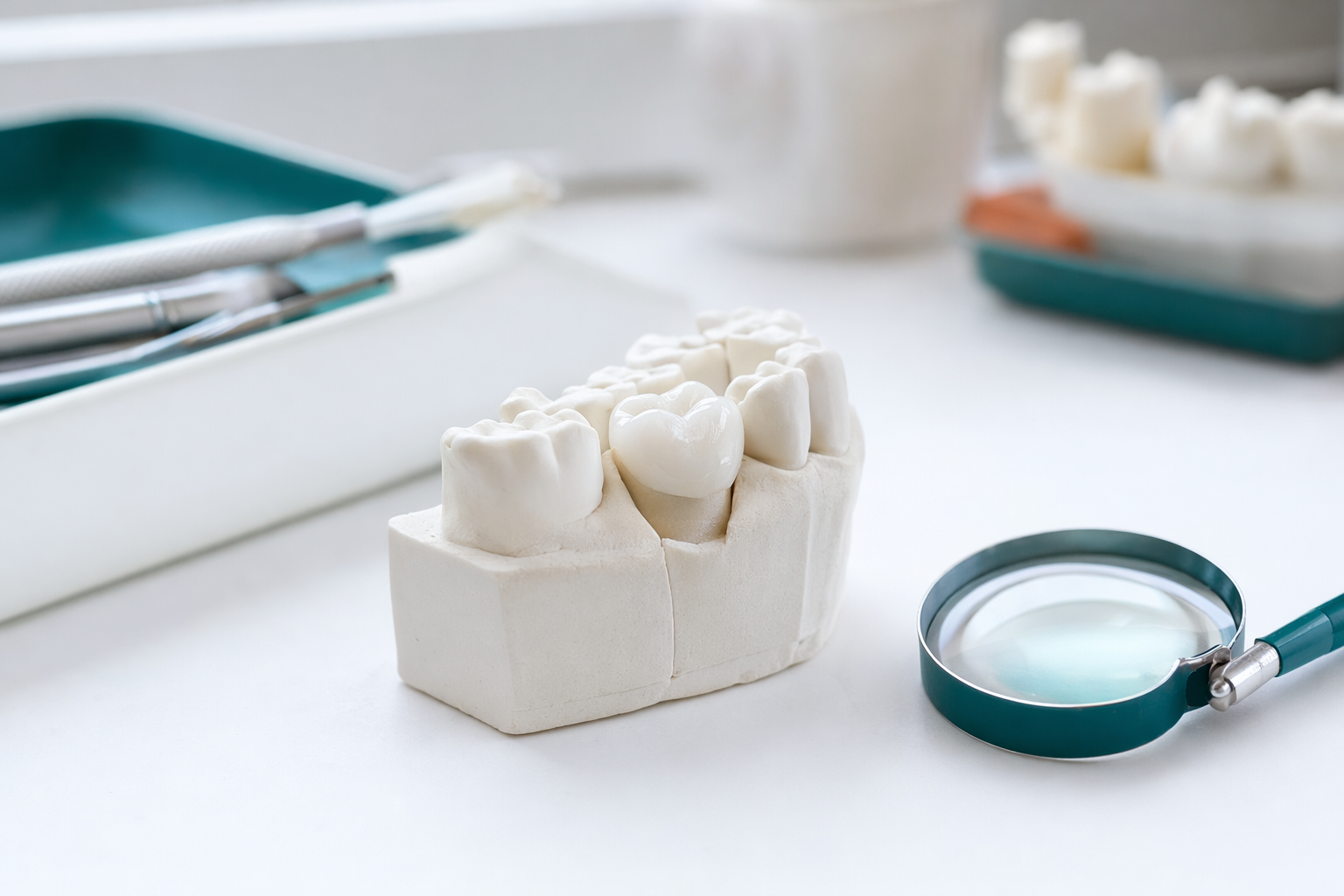
Short answer
There is no single lifespan for dental restorations. Some repairs or temporary solutions may last only a few years, while well-made crowns, bridges, dentures, or implant-supported teeth can last much longer.
The real range depends on the type of restoration, the material used, how many teeth are involved, where the restoration sits in the mouth, and how well it fits. Your bite, daily cleaning, and habits like teeth grinding can also matter.
RestoreBite is a free matching service, not a dental practice. We do not provide dental care or treatment advice. If you are comparing options, a licensed dentist should examine you and give you a written plan before you decide.

Typical lifespan by type
These are broad, educational ranges, not quotes or promises:
- Crowns: often about 5 to 15 years, sometimes longer with good fit and care.
- Bridges: often about 5 to 15 years, depending on the teeth supporting them.
- Partial dentures: often about 5 to 10 years before they may need adjustment, repair, or replacement.
- Full dentures: often about 5 to 10 years, though the mouth changes over time and relines may be needed sooner.
- Implant crowns and implant-supported bridges or dentures: the implant can last many years, but the visible teeth or parts may need repair or replacement over time.
- Full-mouth restoration: lifespan varies widely because it may include several different parts with different timelines.
These ranges can be shorter or longer based on the material, the dentist’s skill, the condition of the mouth, and aftercare. Costs also vary by area, and a higher price does not guarantee a longer-lasting result.
What makes restorations last longer or fail sooner
A restoration usually lasts longer when it fits well, is made from an appropriate material, and is maintained carefully. Regular checkups matter because small problems are easier to fix early.
Common things that can shorten lifespan include:
- poor fit or a bite that is not balanced
- teeth grinding or clenching
- smoking
- repeated decay around the edges of crowns or bridges
- gum disease or bone loss
- not cleaning under or around the restoration well
- chewing hard objects, ice, or very sticky foods
A restoration that looks fine at first can still fail early if the fit is poor or the plan was rushed. That is one reason to ask for a written treatment plan and a clear price before starting.
Red flags when someone is selling the treatment too fast
Be careful if you hear vague pricing, pressure to start the same day, or refusal to give you a written treatment plan. Those are common warning signs in any dental purchase.
Other red flags include:
- no explanation of what material is being used
- no second opinion offered for a large or expensive plan
- cash-only pressure without a written receipt or plan
- promises that sound guaranteed, like “this will last forever”
- no clear answer about who will do the work
You can also verify the license of the dentist or prosthodontist through your state dental board. For a large restoration plan, getting a second opinion is reasonable and often wise.
How to compare options without getting lost
If you are comparing crowns, bridges, dentures, implants, or full-mouth restoration, ask for the same basic information from each provider so you can compare fairly.
- What exactly is included in the plan?
- What material will be used?
- How long does the dentist expect it to last in a case like mine?
- What maintenance or repairs may be needed later?
- What is the written total price, and what is not included?
- Who will place or make the restoration?
For general background, you can browse guides or review costs. If you want help finding a licensed restoration dentist near you, you can get matched. RestoreBite is free for patients; we only collect contact details, ZIP code, the restoration type you are asking about, and preferred language.
Dental restorations can last from a few years to many years, but only a licensed dentist can estimate that after an exam and a written plan.
Common questions
How long do crowns last?
Crowns often last about 5 to 15 years, but the real lifespan depends on the material, fit, where the crown is in the mouth, and how well it is cared for. A dentist can give a more realistic estimate after examining the tooth.
How long do dentures last?
Full and partial dentures often last about 5 to 10 years, though they may need relines, repairs, or adjustments sooner because the mouth changes over time. Fit and daily care matter a lot.
Do implants last forever?
No honest provider should promise that. The implant may last many years, but the visible tooth parts or surrounding tissues can still need maintenance, repair, or replacement.
What is the best way to know how long my restoration will last?
Get an in-person exam and a written treatment plan. Ask the dentist to explain the material, the expected lifespan, the maintenance plan, and the total price before you agree to treatment.