Guides
How to read a dental treatment plan
A dental treatment plan should tell you what will be done, why, how much it may cost, and what happens next. If the plan is hard to read, ask for it in writing and ask the office to explain each line in plain words.
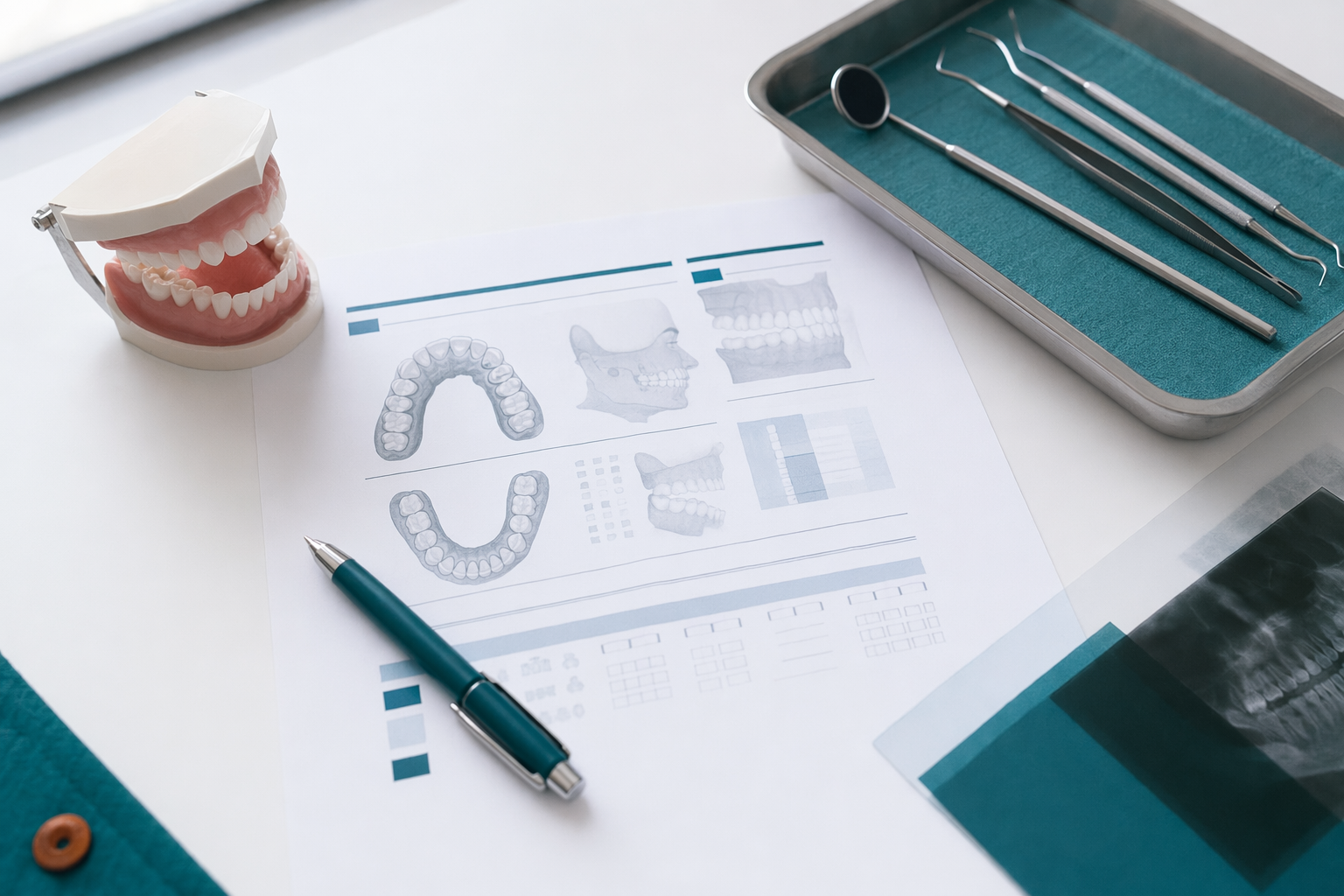
Start with the basics: what a treatment plan is
A dental treatment plan is a written outline of the care a dentist proposes after examining you. It is not just a bill. It should name the teeth or areas involved, the type of treatment proposed, the expected sequence, and the estimated cost.
If you are comparing crowns, bridges, dentures, implants, or full-mouth work, the treatment plan is one of the most important papers you will get. It lets you compare options side by side instead of trying to remember what each office said.
A clear plan should answer four simple questions: what is being treated, what is being proposed, what it may cost, and what is optional versus necessary. If those things are missing, ask questions before agreeing to anything.

What to look for on the page
Most plans include tooth numbers, procedure names, codes, materials, and fees. The language can feel technical, but you do not need to guess. Ask the office to explain every line in plain English.
Look for the specific restoration being proposed. For example, a plan may list a crown, bridge, partial denture, full denture, implant-supported tooth, or a larger rebuild. It may also include related steps such as an exam, X-rays, impressions or scans, temporary teeth, extractions, bone grafting, relines, adjustments, or follow-up visits.
Try to separate the plan into three parts:
1. Diagnosis or reason for treatment as the dentist sees it
2. Recommended procedures and the order they are expected to happen
3. Estimated fees, insurance estimate if any, and your expected out-of-pocket amount
If the plan uses words you do not know, ask for these details in writing:
- Which teeth are involved
- What material is planned
- Whether the restoration is removable or fixed
- How many visits are expected
- What temporary teeth, if any, are included
- What follow-up adjustments are included
How to read the money part
The fee section should be clear enough that you can tell what you are paying for. You should be able to see each procedure, its fee, and whether the number shown is the full office fee or only an estimate after insurance. If insurance is mentioned, remember that insurance estimates are not guarantees.
For restoration work in the United States, rough ranges can vary widely by area and situation. A crown may be around $900 to $2,500 per tooth. A bridge may be about $2,000 to $5,000 or more depending on how many teeth are involved. Partial dentures often range from about $700 to $3,000. Full dentures may range from about $1,000 to $4,000 per arch, while implant-supported options can cost much more. Full-mouth restoration can range from several thousand dollars to much higher numbers depending on how many teeth, the materials, and the condition of the mouth. These are general ranges, not quotes.
The real number depends on the material, the number of teeth, the person’s mouth, and the area. Extra steps can raise the price, such as tooth removal, grafting, root canal treatment, sedation, temporary restorations, lab work, or more visits.
Ask for a written cost breakdown before you start:
- Office fee for each procedure
- Estimated lab fee if listed separately
- What insurance is expected to pay, if applicable
- Your expected out-of-pocket cost
- What is included in the quoted fee
- What extra charges may come up if the plan changes
If you are comparing offices, use the same checklist for each one. You can also read more about common price ranges at Costs.
Watch for trade-offs, alternatives, and timing
A good treatment plan should not make one option sound like the only possible path unless the dentist clearly explains why. In many restoration cases, there may be more than one approach with different trade-offs in cost, appearance, comfort, durability, and time.
For example, one plan may use a bridge, another may use a partial denture, and another may discuss implants. One crown material may cost less but look different. A removable option may cost less up front, while a fixed option may involve more visits and higher cost. None of that means one is automatically right for everyone. It means you need the office to explain the pros, limits, maintenance, and expected sequence clearly.
Ask these plain questions:
1. What are my main options?
2. What are the trade-offs of each option?
3. Which parts are needed now, and which parts can wait?
4. How long is the process expected to take?
5. What maintenance or future replacement may be needed?
If the plan is large, ask the office to mark what is urgent, what is elective, and what could be done in phases. That can help you understand both timing and budget.
Red flags that deserve a pause
You do not need to accept a big dental plan on the spot. If something feels rushed or unclear, slow down. Large restoration work can be expensive and hard to compare when the details are vague.
Common red flags include vague pricing, same-day pressure to start, no written treatment plan, no second opinion offered, and cash-only demands without clear paperwork. Another warning sign is when the office will not explain why a treatment is being proposed or will not tell you what is included in the fee.
Before you agree to major work:
- Get the treatment plan and price in writing
- Ask what is included and what may cost extra
- Verify the dentist’s license in your state
- Ask whether a specialist such as a prosthodontist is involved if the case is complex
- Get a second opinion on big plans
A second opinion is not rude. It is a normal way to compare large treatment plans, especially for crowns on many teeth, bridges, implants, dentures, or full-mouth work.
How RestoreBite can help
RestoreBite is a free matching service, not a dental practice. We do not provide dental care, diagnose problems, or tell you which treatment you should choose. We offer general educational information and help connect people with licensed restoration dentists and prosthodontists near them.
If you want help finding someone to review your restoration options, you can start at get matched. We only collect basic contact details and restoration-type intent: your name, phone, optional email, ZIP code, preferred language, and the type of restoration you are asking about. We do not ask for medical or dental history, medications, insurance numbers, financial account numbers, or Social Security numbers.
You can also browse more plain-language help at Guides or learn about common restoration categories at restorations.
If you have a true dental emergency such as a knocked-out tooth, severe swelling, high fever, or uncontrolled bleeding, seek urgent or emergency care first.
If you cannot see the treatment, the cost, and the alternatives clearly in writing, do not rush—ask questions, verify the license, and get a second opinion on big dental plans.
Common questions
What if I do not understand the procedure names on my treatment plan?
Ask the office to explain each line in plain language and in writing. You should know which teeth are involved, what will be done, how many visits are expected, and what each item costs.
Is a treatment plan the same as a final price?
Usually no. It is often an estimate based on what the dentist sees at that point. The final cost can change if the material, number of teeth, or condition of the mouth changes.
Should I get a second opinion for major dental work?
For larger plans, many people do. A second opinion can help you compare options, timing, and price in writing before you make a decision.
What should I do if a dentist pressures me to start today?
Pause and ask for the full plan and price in writing first. High-pressure same-day sales for major restoration work are a red flag.
Can RestoreBite tell me which treatment plan is best?
No. RestoreBite is a free matching service, not a dental office, and we do not give treatment advice. A licensed dentist who examines you is the right person to explain what may fit your situation.