Quick answers
Are flexible partial dentures worth it?
Flexible partial dentures can be comfortable and less visible, but they’re not right for every mouth or bite. This guide explains what they can do well, what to watch for, and how to get an honest plan and price from a licensed provider.
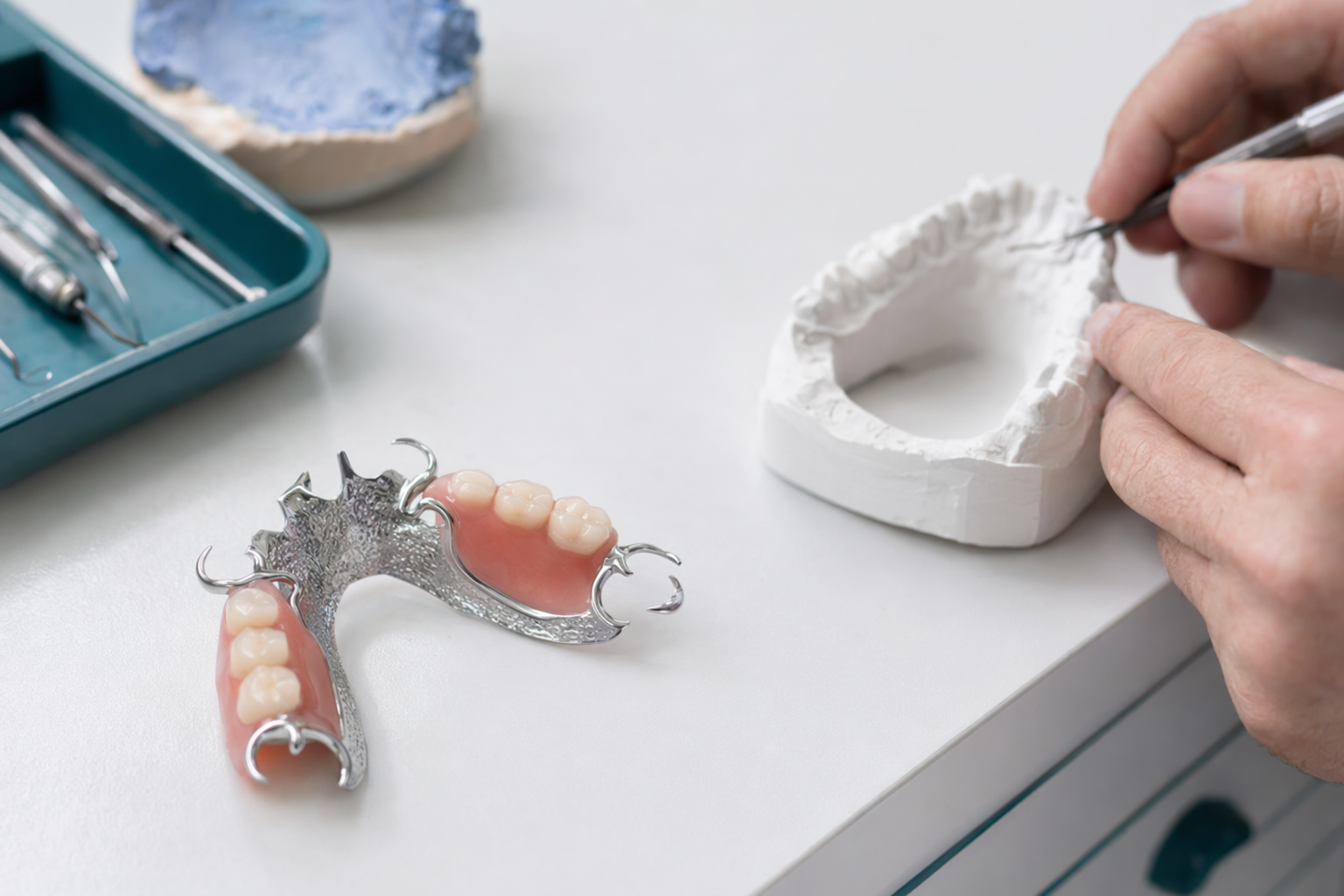
Quick answer: are flexible partial dentures “worth it”?
They may be worth it if you want a removable partial denture that is lighter and often more discreet, and if your remaining teeth and gums can support it.
They may not be worth it if you need more stability, you have certain bite or gum issues, or you’re looking for the most predictable long-term fit. A licensed dentist who examines your mouth is the only person who can tell you which option fits you best.
If you feel pressured to decide quickly, that’s a red flag—ask for a written plan and price first, and consider a second opinion on bigger plans. If you’re having severe swelling, uncontrolled bleeding, or a knocked-out tooth, seek urgent/emergency care first.

What flexible partial dentures are (in plain terms)
Flexible partial dentures are removable restorations used when you’re missing some teeth but still have other teeth. The base is made to bend slightly, and it typically relies on clasps or attachment points near your remaining teeth.
Because they are designed to be flexible, they can feel more comfortable to some people at the start. But flexibility can also mean less “rigid” support than other partial denture designs.
Your mouth matters: the shape of your gums, where your bite forces go, and how your remaining teeth are positioned can affect stability and how well the denture stays in place.
Common pros (what people like) and trade-offs (what can be harder)
Potential pros people report include:
- Often lighter and sometimes easier to adapt to than some other removable options
- Can be less bulky and may look more natural in some cases
- Removable for cleaning, which can help daily hygiene
Common trade-offs to consider:
- Fit and stability depend heavily on your specific bite and the condition of supporting teeth and gums
- With less rigid support, some people may feel more movement when chewing certain foods
- Over time, gums and teeth can change. That can make relining or replacement necessary
Ask your provider how they plan to check stability, how adjustments are handled, and what follow-up steps you should expect—then compare those details across options.
Cost reality: what flexible partial dentures can cost (and what changes the price)
Costs vary a lot across the United States. In general, flexible partial dentures are often priced somewhere in the mid range compared with other removable partial options, but your final cost depends on multiple factors.
Typical range for the U.S. is often around $1,500–$4,000 for a flexible partial denture, but some cases can be higher or lower. This is not a quote—only an estimate of what people commonly pay.
What drives the cost up or down:
- Number of missing teeth and complexity of the design
- How much work is needed on remaining teeth (for example, minor adjustments or prep—your dentist will explain what applies)
- Need for extra components or specific retention design
- Adjustments/relines after placement
- Your location and the materials used
If price is unclear, ask for a written treatment plan with a line-item list and a total price. You should also be able to ask what’s included (and what isn’t) before you sign anything—see treatment plan and pricing reminders.
How to decide with less anxiety: a simple question list for your appointment
Before you commit, bring these questions to a licensed dentist who can examine you. These are meant to help you compare options fairly.
- What design is recommended for my situation, and why (what problem is it trying to solve: comfort, stability, look, or both)?
- How much movement is expected, and what changes might happen after healing and adjustment?
- What is included in the price—delivery visit, adjustments, and any planned follow-up?
- How often might relines or replacements be needed over time?
- If it doesn’t feel right, what are the steps to revise it—and what would it cost?
Trade-off check:
- Comfort now versus long-term stability later
- Look and flexibility versus bite support and retention
If a provider won’t give a written plan and price, or rushes you to start the same day, consider it a red flag.
Get connected (free) and avoid common red flags
RestoreBite is a FREE matching service that helps you connect with licensed restoration dentists and prosthodontists near you—based on what type of restoration you’re asking about and your preferred language. We do not provide dental care.
To get matched, use get matched and share only the contact details we request (name, phone, optional email), your ZIP code, and that you’re asking about a flexible partial denture.
Red flags to watch for (especially if you’re paying out of pocket):
- Vague pricing with no written treatment plan
- Pressure to start immediately (same-day) without a full explanation
- No second opinion offered for major plans
- Cash-only arrangements that limit transparency
Always verify the dentist’s license and ask for a written treatment plan and total price before you decide. If the plan is big or complicated, getting a second opinion is a reasonable step.
Flexible partial dentures can be a good fit for the right mouth, but stability and long-term comfort depend on your specific bite and supporting teeth—ask for a written plan and price from a licensed provider.
Common questions
Will a flexible partial denture stay in place when I eat?
Stability varies by person and depends on your bite, the shape of your gums, and the teeth that support the partial. A licensed dentist can explain what movement (if any) is expected in your case and how adjustments are handled. Ask for a written plan and a clear explanation of stability goals.
Are flexible partial dentures more comfortable than other options?
Some people find them more comfortable because they are designed to be lighter and can be less bulky. Comfort doesn’t always equal long-term stability, so it’s important to compare both how they feel now and how well they hold up over time.
How long do flexible partial dentures last?
They can last for years, but exact timing varies because gums and teeth can change and the fit may need relines or replacement. Your provider can discuss what follow-up adjustments are planned and what “maintenance” might look like.
How much do flexible partial dentures cost in the United States?
Many people pay roughly $1,500–$4,000, but the true number varies by the number of teeth involved, design complexity, materials, and your area. This range is not a quote—ask for a written price with itemized details.
Can I clean a flexible partial denture at home?
Yes—because it’s removable, you typically can clean it with the right tools and routine your dentist explains. Hygiene matters for comfort and reducing irritation. Ask for written home-care instructions as part of the plan.
Is RestoreBite a dental office?
No. RestoreBite is a FREE matching service, not a dental practice. We connect you with licensed restoration dentists and prosthodontists who can examine you. We do not provide dental treatment.