Quick answers
Dental tourism for restoration: is it safe?
Dental tourism can be safe for some people, but it also carries extra risks—especially for restoration work that may need careful follow-up. Here’s a plain checklist to help you judge safety and plan before you travel.
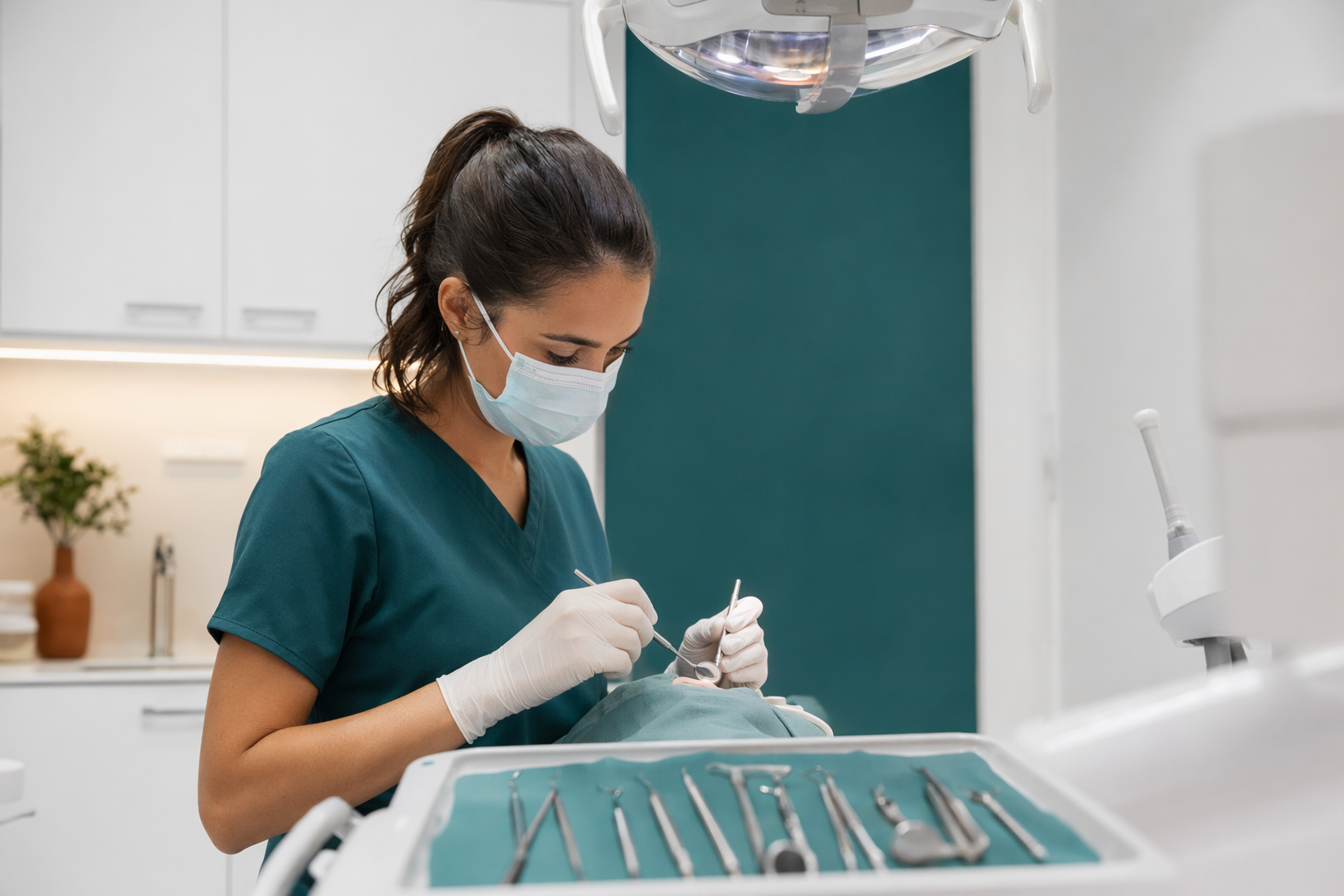
Quick answer: is dental tourism for restorations safe?
It can be safe, but safety depends more on the clinic’s licensing and your follow-up plan than on the “destination” itself. Restoration work (crowns, bridges, dentures, and implant-supported teeth) often involves multiple steps and quality checks, and results can vary.
If you’re considering travel, treat it like a “two-part plan”: (1) the actual dental restoration steps, and (2) what happens after you get home if something needs adjustment or rework.
- - More risk usually comes from unclear licensing, vague pricing, weak follow-up access, and no written plan.

What can go wrong (and why it’s different for restorations)
Restorations are not usually a one-time, one-visit event. Fit, bite alignment, gum health, and material choices often need careful checks.
In dental tourism, common trouble spots include:
1. Delays or difficulty getting prompt adjustments after you return home
2. Limited communication between the visiting team and the dentist you’ll see later
3. Materials used that may not match your long-term needs
4. Incomplete documentation, like what was made, where it was done, and what to check
A “good-looking” result at the first visit can still need polishing, re-checks, or replacement later. That’s why aftercare access matters as much as the initial work.
- - Ask yourself: can you realistically get help quickly if you have problems after travel?
Safety checklist before you book (trade-offs included)
Use this as a practical screen. If the answers are missing or pressured, that’s a red flag.
- Verify licensing and credentials: Ask for the restorative dentist’s license and training details, and verify they’re authorized to practice where the work is done.
- Get a written treatment plan and written price: You should see what will be done, which teeth are involved, the number of visits, and the material options.
- Ask about follow-up care before you travel: Who handles adjustments after you return? How long is the follow-up period?
- Confirm documentation: Request copies of records related to the restorations and what materials were used.
- Understand what’s included in the total cost: Sometimes “low price” excludes imaging, lab fees, adjustments, or new impressions.
- Plan for where you’ll get local help: After returning to the US, a licensed US dentist may need to evaluate fit and bite.
Trade-off to know: the lower upfront cost may be offset by extra travel, time off work, and potential rework if follow-up is hard to get.
- - Red flag: “pay today, start today” with no written plan, no clear pricing, and no second opinion encouraged.
Red flags to watch for (especially with vague pricing)
Be extra cautious if you hear pricing that’s unclear or changes after you arrive. Restoration decisions should not be rushed.
Red flags often include:
- No written treatment plan with tooth-by-tooth details
- No itemized price (or a total price that won’t hold)
- Pressure to start the same day
- Cash-only expectations or refusal to provide receipts/records
- Promises like “guaranteed perfect results” or no mention of possible adjustments
- Trouble verifying the provider’s license or role in your case
If any of these happen, pause. You can still choose travel later—but first insist on documentation, a written plan, and enough time to get a second opinion.
- - Choosing a licensed provider and getting a written plan first is one of the most important safety steps you can take.
How RestoreBite can help (FREE matching, not dental care)
RestoreBite is a FREE matching service. We do not provide dental care, and we do not diagnose or recommend a specific procedure. Our role is to connect you with licensed restoration dentists and prosthodontists near you.
If you want local options (which can reduce follow-up barriers), you can share:
1. Your ZIP code
2. Your preferred language
3. The type of restoration you’re asking about (for example: crowns, bridges, partial dentures, full dentures, or implant-supported restorations)
When you talk with a clinic, ask for a written treatment plan and the written price ranges for materials and number of teeth involved. Then you can compare that to any travel option—more safely and more fairly. For a quick start, you can view get matched.
- - You control the decision: RestoreBite collects contact + restoration-type intent only, not your medical/dental history.
Cost basics for travel vs. local care (real-world ranges)
Costs vary a lot by location, materials, how many teeth are involved, and what your mouth needs. Any number you hear is a range, not a quote—and a clinic should explain what affects the final total.
In general terms, restoration costs may be driven by:
- The number of teeth being restored
- Material choices (for example, different quality or strength options)
- Whether implants or implant-supported options are involved
- Lab work and number of visits
- Imaging and documentation needed for planning
- Aftercare and adjustments included (or not)
Before comparing travel to local care, ask for itemized, written pricing and a clear aftercare plan. If you want a better sense of what drives cost locally, you can read restoration costs. For general guidance on next steps, see how it works.
- - Honest warning: “cheap travel” can become expensive if you need rework and cannot get fast follow-up.
Dental tourism for restorations can be safe, but safety depends on verified licensing, clear written plans and prices, and a realistic follow-up plan once you’re home.
Common questions
If a clinic overseas has good reviews, does that mean dental tourism is safe?
Reviews can help, but they don’t replace safety checks like verified licensing, clear written plans, and aftercare access. For restoration work, ask how follow-up and adjustments are handled after you return home.
What should I ask for in writing before traveling for crowns, bridges, or dentures?
Ask for a written treatment plan that describes what will be done, which teeth are included, the number of visits, the materials being used, and the written price (ideally itemized). Also ask for a written aftercare/follow-up plan and what is included if adjustments are needed.
Is it safer to do restorations in the US instead of abroad?
Often, yes—because follow-up care can be easier. That said, safety depends on the provider’s licensing, the plan you receive, and how clearly adjustments and documentation are handled, whether in the US or abroad.
Can a US dentist help if something needs adjustment after dental tourism?
Sometimes they can evaluate and help with adjustments, but it varies by case and by the records you can provide. That’s why requesting complete documentation and planning follow-up access before you travel matters.
Does RestoreBite charge me for matching?
No. RestoreBite is free for the patient. We connect you with licensed restoration providers near you; we do not provide dental care or medical advice.