Quick answers
Do dentures feel and look natural?
Dentures can feel and look natural for many people, but the “natural” result depends on fit, your bite, the denture type, and healing/adjustments. RestoreBite can help you connect with a licensed restoration dentist near you—free of charge.
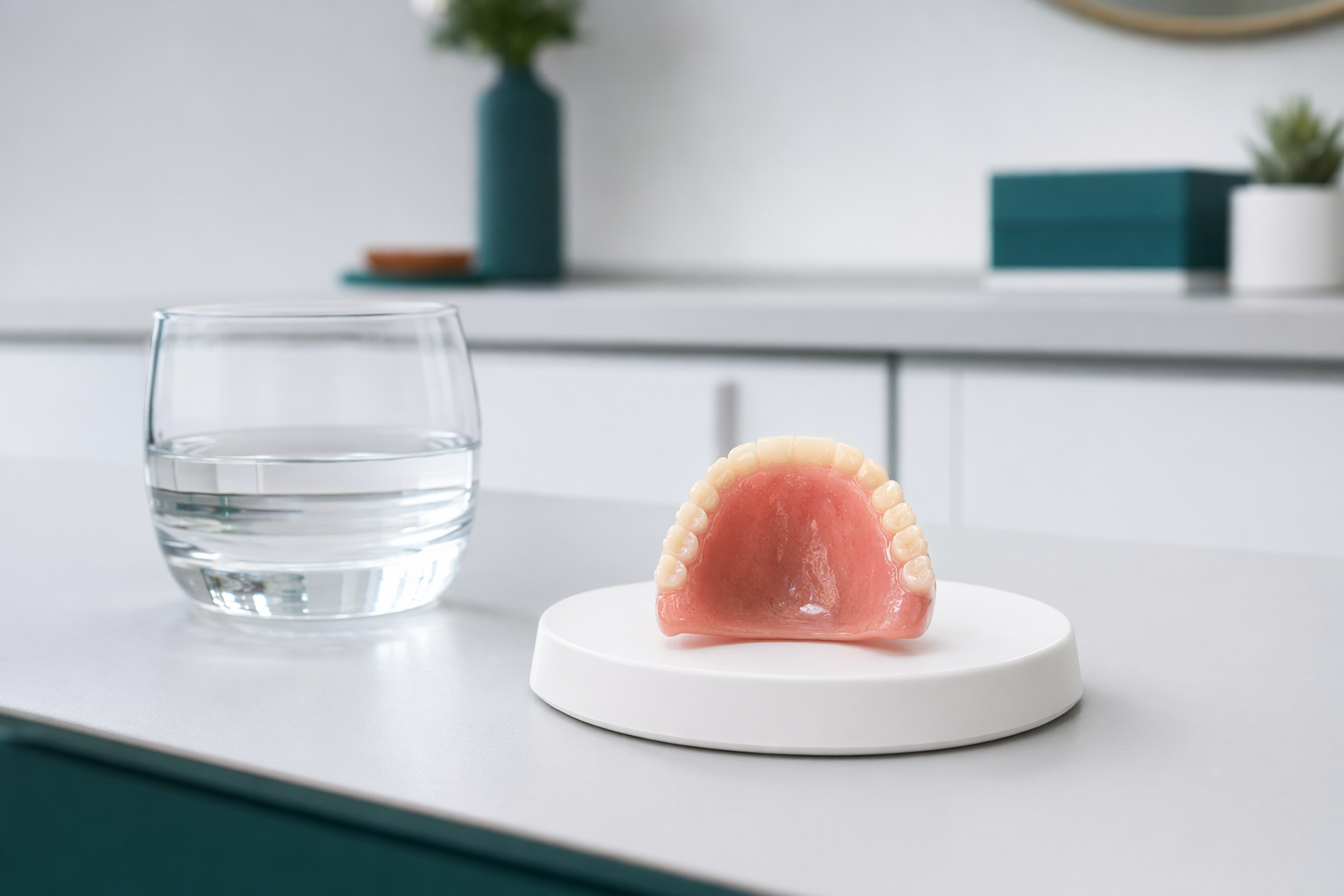
The direct answer: can dentures look and feel natural?
Yes—many people can get dentures that look natural and feel comfortable enough for daily life. Still, it usually takes time for your mouth to adjust, and the first fit is often not perfect.
“Natural” look and feel depend on more than teeth. The denture must fit your gums well, match your facial features, and work with your bite so you can speak and chew with less wobble or pressure.

What affects how natural dentures feel
Comfort comes mainly from fit. If the denture base fits well and the bite is set correctly, many people report less soreness and better stability.
A few common realities:
- Your mouth needs an adjustment period. Mild soreness or pressure points are common in the beginning.
- Dentures may need relines or adjustments over time. Changes in the shape of gums can happen as healing continues.
- Denture stability varies by type and your bite. Some options tend to feel steadier than others, but a licensed dentist must assess your situation.
If you’re considering dentures, ask the dentist how they handle comfort adjustments and whether you’ll get a written plan for follow-up visits.
What affects how natural dentures look
Natural appearance usually comes from careful matching. Dentists/prosthodontists consider tooth color, tooth shape, gum tone (if visible), and how the teeth sit relative to your lips.
Another factor is tooth alignment and bite. If dentures don’t meet correctly, speech and facial appearance can look “off,” even if the tooth color seems right.
Trade-off to know: aiming for very lifelike aesthetics can sometimes involve more detailed try-ins and personalization, which can change the timeline and cost. Costs are not quotes—your provider will confirm details after an exam.
Options that may feel more stable (general information)
There are different ways to replace missing teeth with denture-type solutions. In general terms, some approaches can improve stability compared with traditional, removable dentures.
Because we’re sharing education only (not recommending what you should get), the best next step is to ask a licensed restoration dentist what options fit your goals and mouth conditions.
To compare options confidently, consider asking:
- “What type of denture is this—conventional, immediate, or other support options?”
- “How will you check the bite and stability?”
- “What adjustments or follow-ups are included, and what’s the plan if the denture feels sore?”
Red flags to watch for when choosing a dentist or plan
You deserve a clear, written plan. Be cautious if someone offers vague pricing, pushes for same-day acceptance, won’t provide a written treatment plan, or discourages a second opinion.
Common pressure tactics include:
- No written treatment plan or written price range
- No discussion of follow-up adjustments or what happens if it doesn’t feel right
- Cash-only without clear, itemized pricing
- A “guarantee” that a result will be perfect for everyone
- Refusal to discuss your questions calmly
Before you commit, verify the dentist/prosthodontist is properly licensed in your state. For big changes, consider getting a second opinion.
Learn more about cost factors in denture and restoration costs and how to get started in get matched.
How RestoreBite can help (and what we collect)
RestoreBite is a FREE matching service. We do not provide dental care, diagnosis, or treatment. We help connect you with licensed restoration dentists/prosthodontists near you so you can ask questions and get an exam and a written plan.
To match you, we collect contact details plus your ZIP, preferred language, and the type of restoration you’re asking about. We do NOT collect medical/dental history, insurance numbers, medications, financial account numbers, or SSNs.
If you want, you can start here: get matched. For general help, see help and explore our overview of options in services.
Dentures can look natural and feel comfortable for many people, but the outcome depends on fit, bite setup, and adjustments—so get a written plan, verify the license, and ask questions before deciding.
Common questions
Will dentures always look obvious?
Not always. Many dentures can be made to look natural, especially when teeth color, shape, and placement are personalized. Your provider should explain the process and what to expect at each step.
Do dentures feel loose at first?
It can happen, especially early on. Fit and bite matter, and many people need adjustments during the adjustment period. Ask what follow-up care is included if the fit feels off.
How long does it take for dentures to feel normal?
There isn’t one exact timeline. Comfort usually improves as you heal and adapt, and as adjustments are made. A dentist can tell you what to expect for your situation after an exam.
What should I ask to get the most honest answer about comfort and look?
Ask for a written treatment plan and price range, how stability and bite will be checked, what adjustments are expected, and whether they recommend any specific follow-up timeline. If anything isn’t clear, request a second opinion.
How much do dentures cost?
Cost varies by denture type, materials, how many teeth are involved, and your location. For rough planning, many people see broad ranges, but exact numbers should come from a dentist after an exam and a written plan. See [denture and restoration costs](/costs/).