Restorations
Full-mouth restoration: rebuilding the whole bite
Full-mouth restoration means rebuilding many or all teeth so the bite can work again. It is usually a staged plan, not one single procedure, and the real cost and timeline depend on the mouth, the materials, and the area.
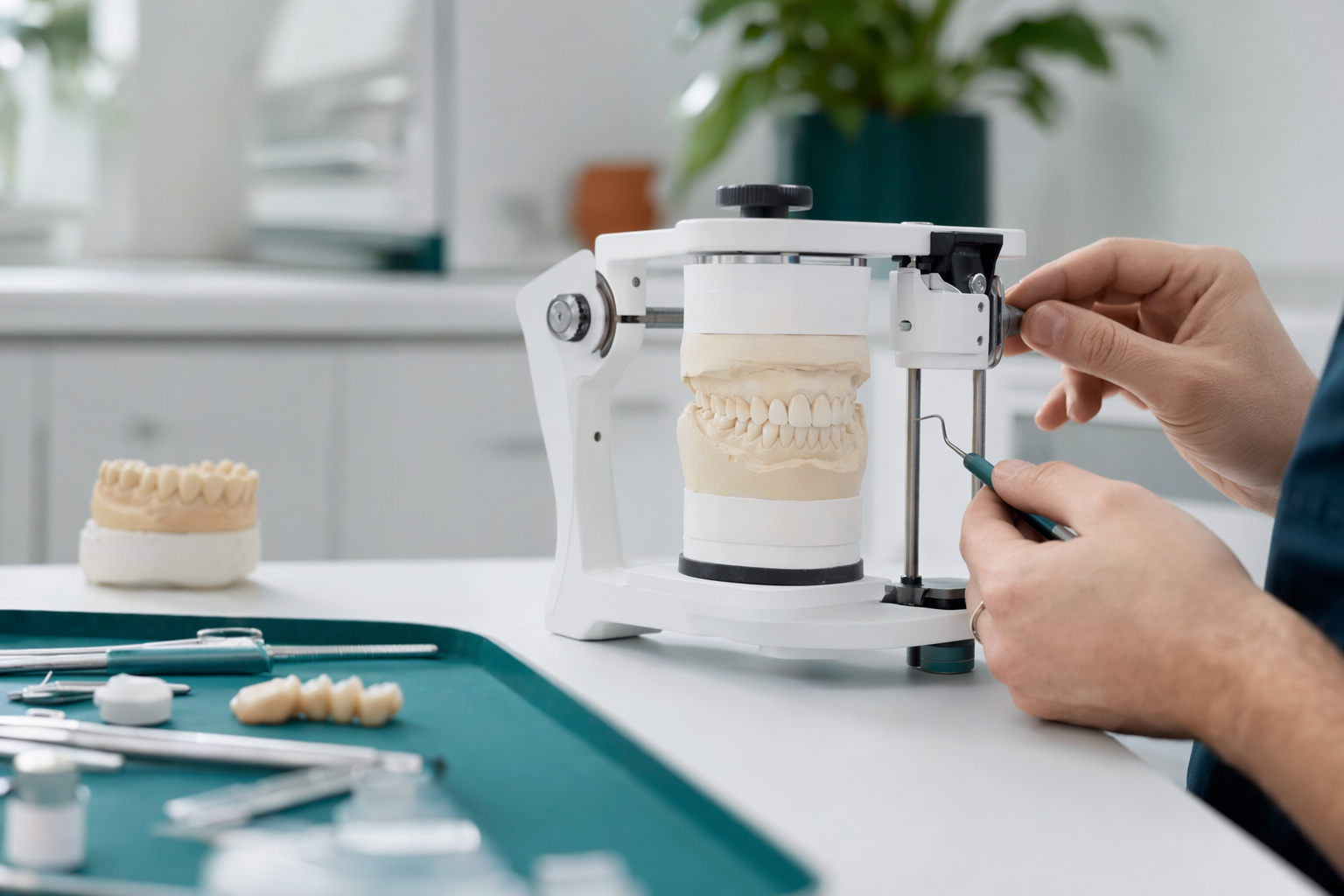
What full-mouth restoration means
Full-mouth restoration is a broad term for rebuilding most or all of the biting surfaces in the mouth. A dentist or prosthodontist may use a combination of crowns, bridges, partial or full dentures, implant-supported teeth, and sometimes treatment done in steps over months.
People often hear this term when many teeth are worn down, broken, missing, failing, or no longer fitting together well. The goal is usually to improve function first: chewing, speaking, comfort, and how the upper and lower teeth meet. Appearance matters too, but a careful plan usually starts with what will work safely and last.
This is general educational information only. Only a licensed dentist who examines you and takes images can say what treatment, if any, fits your situation.

What it can be made of: common materials and trade-offs
A full-mouth restoration is not one material. It is a mix of parts. Crowns may be porcelain, zirconia, porcelain fused to metal, metal, or other lab-made materials. Bridges may use similar materials. Dentures often use acrylic, sometimes with a metal framework for partial dentures. Implant-supported teeth may include acrylic, composite, porcelain, zirconia, titanium components, or a mix.
Each material has trade-offs. Porcelain and zirconia can look natural, but cost more and may require more precise planning. Metal can be strong and durable, but is less tooth-colored. Acrylic denture teeth and bases can cost less and are common, but they may wear faster and may need relines, repairs, or replacement sooner. Implant restorations can feel more stable for some people, but they usually cost more and often take longer.
What is 'best' depends on the number of teeth involved, how much support is left, whether implants are possible, how the bite works, and budget. A written plan should say what materials are being proposed and why.
How the process usually works
Full-mouth restoration is usually planned in phases. It often starts with a full exam, X-rays or scans, photos, and bite records. The dentist may discuss what bothers you most now, what teeth can be kept, what might need to be replaced, and whether the work should be done in stages.
A careful office often uses temporary restorations, try-ins, or wax-up models to test the shape, height, and bite before the final work is made. This matters because changing many teeth at once affects chewing, speech, comfort, and cleaning.
A common process looks like this:
1. Exam, records, and treatment planning
2. Written plan with options, timeline, and itemized price
3. Any needed first-stage work, which may include removing hopeless teeth or preparing teeth for temporary restorations
4. Temporary teeth, bite testing, or trial smile/shape phase
5. Final crowns, bridges, dentures, or implant-supported teeth made and fitted
6. Follow-up adjustments and routine maintenance
Some cases move faster. Others take many months, especially if implants, healing time, grafting, or several stages are involved. Same-day promises for a very large case deserve careful questions.
How long it lasts and what affects longevity
There is no single lifespan for a full-mouth restoration because it is a set of different restorations, not one product. Some crowns and bridges may last many years. Dentures may need more frequent relines, repairs, or replacement. Implant-supported restorations may last a long time too, but their parts can still wear, loosen, chip, or need maintenance.
Longevity depends on the materials used, how well the bite was planned, daily cleaning, clenching or grinding, smoking, dry mouth, and how often the restorations are checked. A well-made restoration still needs upkeep.
Ask the dentist what maintenance is expected, what parts tend to wear first, how repairs are handled, and what follow-up visits are normal. A realistic office will talk about maintenance, not just the day the work is delivered.
Realistic cost ranges in the US
Full-mouth restoration can range from several thousand dollars to many tens of thousands. In broad US terms, simpler full-mouth denture-based treatment may start around $3,000 to $10,000+, while larger staged cases involving many crowns, bridges, and implants can range from roughly $15,000 to $60,000+, and some complex implant-heavy rebuilds can go higher. These are general ranges, not quotes.
The real price depends on how many teeth are being restored or replaced, whether teeth can be saved, whether implants are used, whether bone grafting or extractions are needed, the materials chosen, the lab quality, sedation, follow-up care, and local costs in your area. Insurance, if any, may cover part of some services and not others, and coverage varies a lot.
This is one reason to compare more than one office. Ask for a written treatment plan and written price before agreeing to start. For a large case, a second opinion is sensible, especially if the office is vague about price, pushes same-day treatment, will not give a written plan, does not offer time to think, or insists on cash only. You can read more at costs and questions to ask before a restoration.
Who it may suit, alternatives, and how to find the right dentist
The idea of full-mouth restoration comes up when many teeth need attention at once. For some people, the plan may focus on saving as many natural teeth as possible with crowns or bridges. For others, removable partials or full dentures may be part of the discussion. Some people are evaluated for implant-supported options. A licensed dentist or prosthodontist should explain the alternatives, including lower-cost options and staged approaches.
You do not need to decide alone or under pressure. Ask what happens if you do the work in phases instead of all at once, which teeth are priorities, what lower-cost options exist, and what risks or limitations come with each path. Big plans should be understandable in plain language.
When choosing a provider, verify the dental license in your state and ask who will actually plan and deliver the restorative work. It is reasonable to ask how often they do full-mouth cases, whether they use a dental lab they trust, and how adjustments and repairs are handled after delivery.
RestoreBite is a free matching service, not a dental practice. We do not provide dental care or treatment advice. We can help you get matched with licensed restoration dentists or prosthodontists near you based on your contact details, ZIP code, preferred language, and the type of restoration you are asking about. You can also browse services.
Use this short checklist before you say yes:
- Get a written treatment plan and itemized written price
- Make sure the materials are named clearly
- Ask what is included and what could cost extra later
- Verify the dentist's license and credentials
- Ask for a realistic timeline, including healing time if needed
- Get a second opinion on large or expensive plans

Full-mouth restoration is a step-by-step rebuild of many or all teeth, and before you agree to a big plan, get the materials, timeline, and full price in writing.
Common questions
Is full-mouth restoration the same as implants?
No. It is a broad term for rebuilding many or all teeth, and it may or may not include implants. Some plans use crowns, bridges, partials, or dentures instead, or in combination.
How many visits does full-mouth restoration take?
It varies a lot. Some cases take a few main visits, while staged cases can take months and many appointments, especially if extractions, healing, or implants are involved.
Why is the cost so different from one office to another?
Price can change with materials, number of teeth, lab quality, imaging, implant use, complexity, and local market costs. A low number may also leave out parts that will be billed later, which is why a written itemized plan matters.
Should I get a second opinion for a big treatment plan?
Yes, that is reasonable for major restorative work. A second opinion can help you compare options, prices, timelines, and whether the plan is being explained clearly.
What if a clinic wants me to start treatment the same day?
Be careful with pressure on a large case. Ask for a written plan, written price, and time to review it first; for expensive or complex work, consider a second opinion.
Can RestoreBite tell me which treatment I need?
No. RestoreBite is a free matching service, not a dental office, and we do not diagnose or provide treatment advice. We can help connect you with licensed dentists or prosthodontists near you.
What information do I need to share to get matched?
Only basic contact and request details: name, phone, optional email, ZIP code, preferred language, and the type of restoration you are asking about. We do not ask for medical or dental history, insurance numbers, financial account numbers, or Social Security numbers.
When should I seek urgent dental care instead of comparing restorations?
If you have a knocked-out tooth, severe swelling, high fever, or uncontrolled bleeding, seek urgent or emergency care first. Matching and treatment planning can wait until the immediate problem is handled.