How we've helped
How one patient compared three crown quotes — and saved
An anonymized, illustrative story about how one person compared three crown quotes, asked careful questions, and chose a plan without being rushed. This is general educational information, not treatment advice.
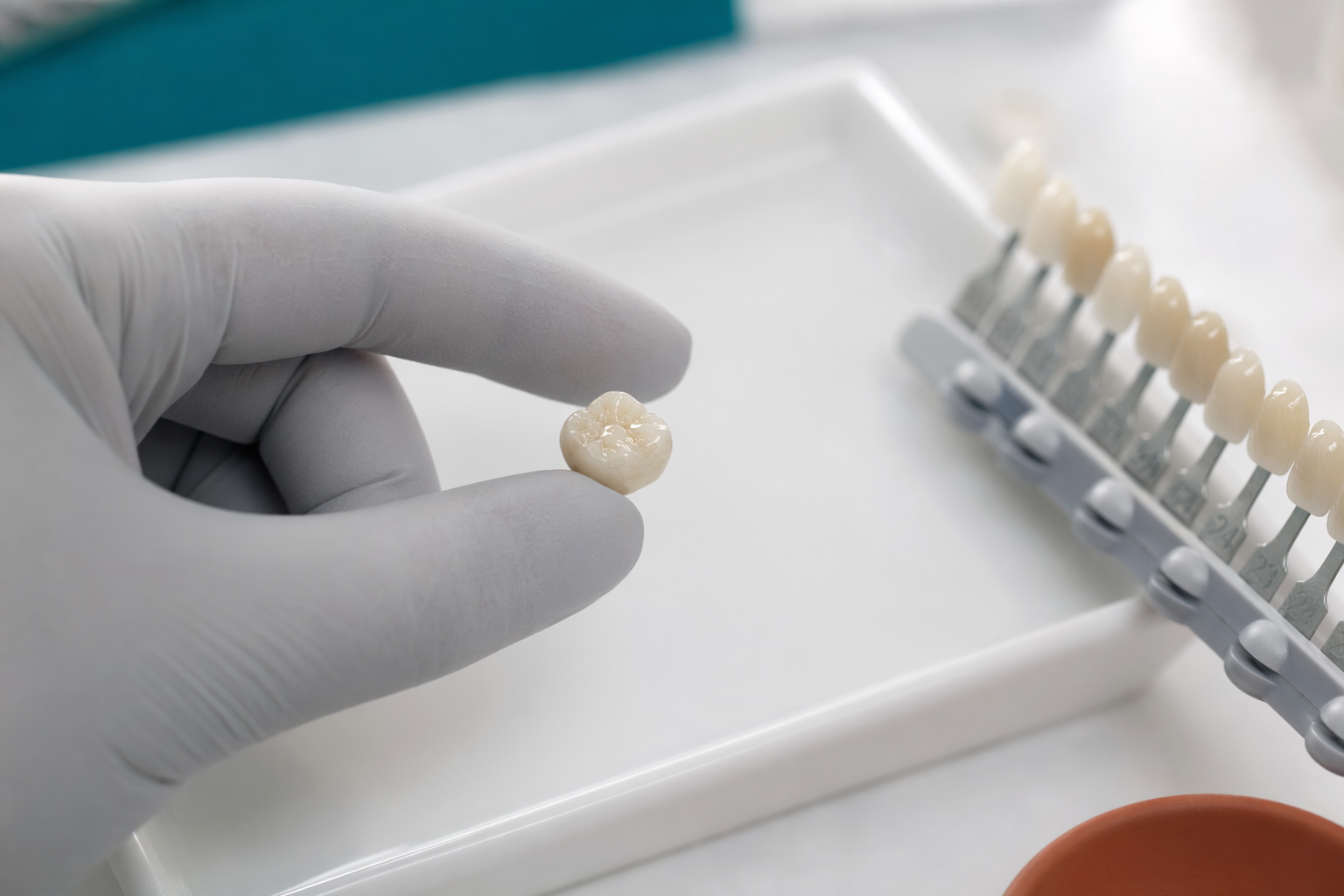
This is an illustrative story, not a named patient case
This story is a teaching example based on common situations people face when comparing dental crown costs in the United States. It is anonymized and illustrative, not a report about one specific named patient.
RestoreBite is a free matching service, not a dental practice, dentist, or prosthodontist. We do not provide dental care. We share general educational information and can help connect people with licensed restoration dentists near them through get matched.
If you have a true dental emergency — such as a knocked-out tooth, severe swelling, high fever, or uncontrolled bleeding — seek urgent or emergency care first.

The situation: one tooth, three very different prices
In this example, a person was told they likely needed a crown on a back tooth. They were anxious about cost and confused because the first office gave a verbal estimate that seemed high, but did not provide much detail.
They decided not to agree on the spot. Instead, they compared three offices in their area and asked each for the same basic information in writing.
That mattered because crown prices can vary a lot by location, material, lab work, the tooth involved, whether buildup or other work is needed, and who is doing the treatment. A common self-pay range for one crown may be roughly $900 to $2,500 or more in the US, but that is only a general range, not a quote. The real number depends on the person’s mouth, the material used, and the area.
What the three quotes looked like
The first office gave a fast, same-day price and pushed for immediate scheduling. The estimate sounded like it included "everything," but the person could not get a clear written breakdown before agreeing. That was a warning sign.
The second office provided a written treatment plan. It listed the crown fee, possible exam or X-ray charges, and noted that if additional work was needed after the dentist examined the tooth more closely, the price could change. The office answered questions calmly and did not pressure the person to start that day.
The third office also gave a written plan, but the total was higher because the crown material was different and the office explained there could be separate charges depending on what the dentist found. The higher price was not automatically wrong — sometimes higher cost reflects materials, lab choices, or complexity — but the person still wanted to compare carefully.
By the end, the person was not comparing "cheap" versus "expensive." They were comparing how clear each office was, whether the dentist was licensed, whether the treatment plan was written down, and whether they felt rushed.
How they compared the quotes carefully
The person made a simple checklist and used it with all three offices. That helped them compare the offers in the same way instead of focusing only on the lowest number.
- Ask for a written treatment plan.
- Ask what the listed price includes and what could cost extra.
- Ask what crown material is being proposed.
- Confirm whether exam, X-rays, buildup, temporary crown, lab fees, and follow-up visits are included.
- Verify the dentist's license through the state dental board.
- Ask whether a second opinion is welcome.
They also read more about services and general costs so they could understand the words being used. That did not tell them which treatment they personally needed — only an examining dentist can do that — but it helped them ask better questions.
What helped them avoid overpaying or being rushed
In this example, the person noticed several pressure tactics that made them pause. One office wanted a commitment before giving a full written plan. Another acted annoyed when asked about licensing and itemized pricing. Those are reasonable things to ask about, especially for a restoration that may cost a significant amount.
Some common warning signs are:
- vague pricing with no written breakdown
- same-day pressure to start immediately
- no written treatment plan offered first
- discouraging a second opinion on a larger plan
- cash-only demands without clear documentation
The person chose not to move forward until they had a written plan and enough time to review it. That step alone can prevent confusion later. A careful office should be able to explain the expected fee, what may change, and why.
They also verified the dentist's license and office details before deciding. That does not guarantee an outcome, but it is a basic safety step when choosing any licensed provider.
How they made the final choice
The person did not pick the lowest price automatically. They chose the office that gave a clear written plan, explained what was included, answered questions without pressure, and had a license they could verify.
In the illustrative example, that choice ended up costing less than the highest quote and felt safer than the least clear one. The savings came from comparison, written details, and slowing down — not from chasing the lowest number alone.
That is the main lesson of this story: for a crown or other restoration, ask for the plan and price in writing before agreeing. Compare like with like. Make sure you know what is included, what might be extra, and who is providing the care.
If you want help finding a licensed restoration dentist to contact, RestoreBite can help you get matched. The service is free for patients. We only collect contact details and restoration-type intent — such as your name, phone, optional email, ZIP code, preferred language, and what kind of restoration you are asking about. We do not ask for medical or dental history, medications, insurance numbers, bank information, or Social Security numbers.
This story shows that comparing written crown quotes, verifying the dentist, and refusing pressure can help you choose more safely and avoid paying more than you expected.
Common questions
Is the cheapest crown quote always the best deal?
Not necessarily. A lower price may be reasonable, but you need to know what is included, what may cost extra, what material is being used, and whether the dentist is licensed. A written plan helps you compare fairly.
What should be in a written treatment plan for a crown?
It should clearly describe the proposed restoration, the expected fee, and any possible additional charges the office already knows may apply. Exact details vary, and the final plan depends on the dentist's exam.
How much does a crown usually cost in the US?
A common self-pay range for one crown is about $900 to $2,500 or more, depending on the material, the tooth, the person's mouth, and the area. That range is general information, not a quote.
Is it okay to get a second opinion before agreeing to a crown?
Yes. For a larger expense or when you feel unsure, a second opinion can help you compare explanations and pricing. A careful office should not pressure you for asking.
Can RestoreBite tell me which crown I need?
No. RestoreBite is not a dental practice and does not provide dental advice, diagnosis, or treatment. We offer general educational information and free matching with licensed restoration dentists.