Free downloads
Questions for your dentist worksheet
A free, printable worksheet to help you ask clear questions about crowns, bridges, dentures, implants, and full-mouth restoration. It helps you compare plans and prices without sharing any medical history.
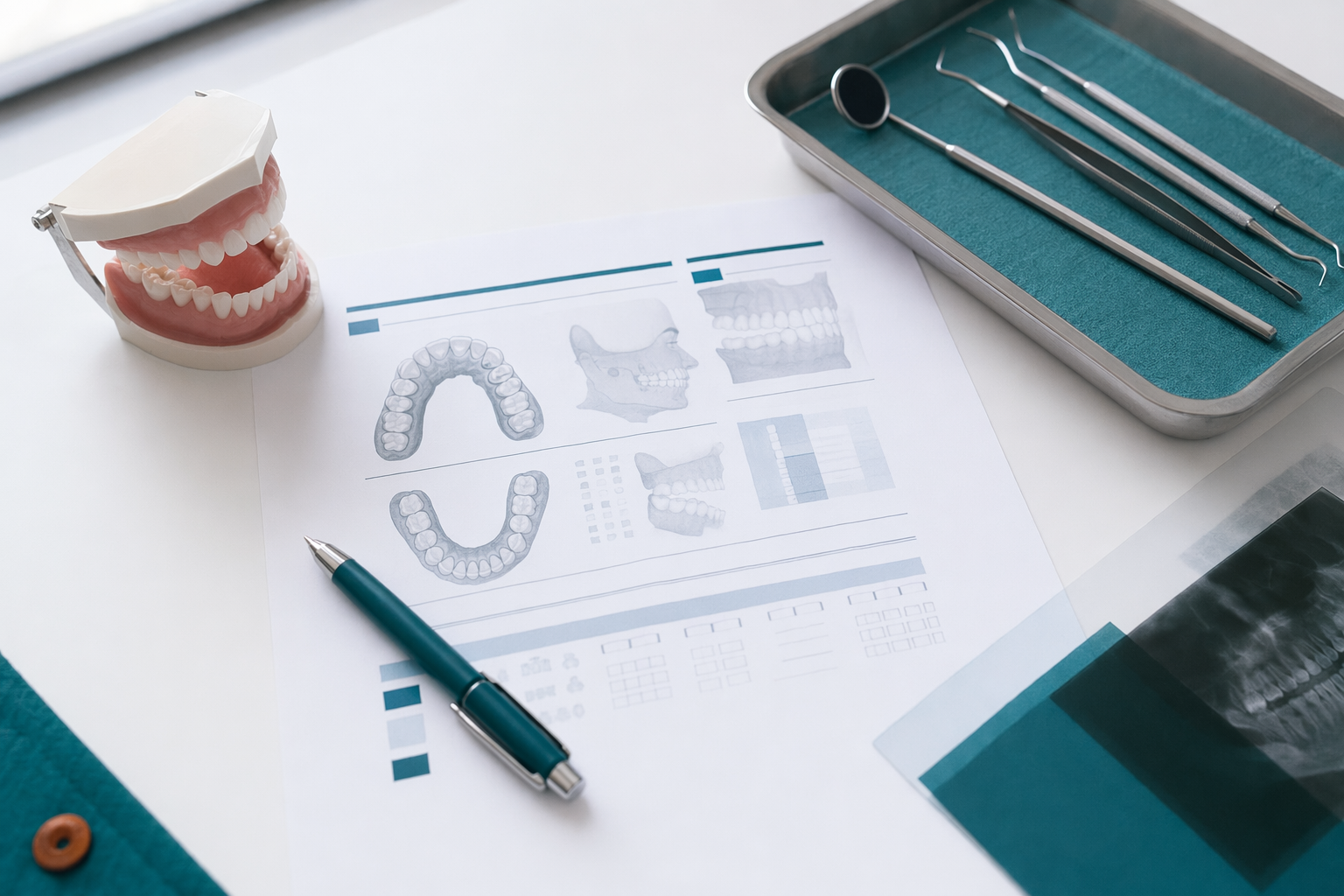
What this worksheet is for
This PDF gives you a simple list of questions to bring to a dental visit when you are comparing tooth restoration options. It is meant for people who want to understand what a dentist is proposing, what it may cost, how long it may take, and what other options may exist.
The worksheet is especially helpful if dental terms feel confusing, if English is not your first language, or if you are trying to compare more than one office. It keeps the conversation organized so you can write down answers in one place.
RestoreBite is a free matching service, not a dental practice, dentist, or prosthodontist. We do not provide dental care. This worksheet is general, educational information only. A licensed dentist who examines you is the person who can explain what may fit your mouth.

What is inside the PDF
The worksheet is designed to help you ask calm, practical questions before you agree to treatment. It focuses on the things many people wish they had asked earlier.
You will see space to write down the proposed restoration, the material if one is mentioned, the number of teeth involved, the estimated timeline, and the total price range discussed. It also includes prompts about what is included in the fee, what may cost extra, and whether you will receive a written treatment plan.
It covers questions such as:
- What restoration is being proposed?
- What are the main alternatives?
- How long is treatment expected to take?
- What is included in the price, and what may be extra?
- What follow-up visits may be needed?
- Who will perform the work?
- Can I get a written treatment plan and written price?
There is also room to note whether you want a second opinion and whether the office explained the benefits and trade-offs of each option in plain language.
Who this helps most
This worksheet is useful for anyone comparing crowns, bridges, partial dentures, full dentures, implant-supported teeth, or larger full-mouth restoration plans. It can help if you feel rushed, if different offices are giving you different answers, or if you want to bring a family member or interpreter into the conversation.
It is also helpful for people trying to compare cost carefully. Dental restoration costs in the United States can vary a lot by city, materials used, how many teeth are involved, and the condition of the mouth. General ranges can be useful for planning, but they are not quotes.
For example, a single crown may sometimes fall in the hundreds to low thousands of dollars, while bridges, dentures, implants, and full-mouth work can range much higher depending on complexity. You can read more about general ranges at costs and see option overviews at services.
How to use it before or during a visit
You can print the worksheet or keep it open on your phone. Before the visit, mark the questions that matter most to you. During the visit, write down the answers in the office's own words when possible.
Try to leave with a written treatment plan and a written price, not just a verbal estimate. For larger plans, it is reasonable to ask for time to think and to get a second opinion from another licensed dentist or prosthodontist.
A simple way to use the worksheet:
1. Write the type of restoration you are asking about.
2. Ask the dentist to explain all options in plain language.
3. Write down the price range and what is included.
4. Ask whether there may be extra costs later.
5. Ask for the timeline and number of visits.
6. Ask for a written treatment plan and written estimate.
7. If the plan is large or expensive, get a second opinion.
If an office gives vague pricing, pushes you to start the same day, avoids giving a written plan, does not welcome a second opinion, or insists on cash only, slow down and ask more questions.
What this worksheet does not collect
This resource does not ask for medical history, dental history, medications, insurance numbers, financial account numbers, or Social Security numbers. It is only a question sheet for your own use during comparison shopping and office visits.
If you choose to use RestoreBite's get matched service, we collect contact information and restoration-type intent only: your name, phone, optional email, ZIP code, preferred language, and the type of restoration you are asking about. The service is free for patients.
We encourage people to choose licensed dentists, verify credentials with their state, and compare written plans carefully. RestoreBite cannot guarantee a price, an outcome, or a specific dentist.
This free PDF helps you ask better questions, compare written treatment plans and prices, and share no medical history.
Common questions
What kinds of questions are on this worksheet?
It includes practical questions about the proposed restoration, alternatives, timeline, total price, possible extra costs, follow-up visits, and whether you can get a written treatment plan and written estimate.
Do I need to share my medical or dental history to use this PDF?
No. The worksheet is just a printable guide for your own notes. It does not require medical history, dental history, medications, insurance numbers, or other sensitive information.
Can this worksheet tell me which restoration is best for me?
No. It is general educational information only. A licensed dentist or prosthodontist who examines you is the person who can discuss what options may fit your mouth.
Will the worksheet help me compare prices?
Yes, that is one of its main uses. It helps you ask for a written price, understand what is included, and compare more than one office. Prices vary by material, number of teeth, your mouth, and your area, so any range is not a quote.
Should I get a second opinion for a big dental restoration plan?
For larger or expensive plans, many people choose to get a second opinion. It can help you compare options, costs, and timelines more clearly before you decide.
What if I have a true dental emergency?
If you have a knocked-out tooth, severe swelling, high fever, or uncontrolled bleeding, seek urgent or emergency dental care first. A worksheet should wait until the emergency is handled.